
Reliable rotary solutions for power, signal, and data transfer in demanding environments. Moog’s slip rings have delivered proven performance in commercial and industrial applications for decades. Designed for high-duty cycles and flexible integration, these solutions meet the rigorous demands of modern systems.
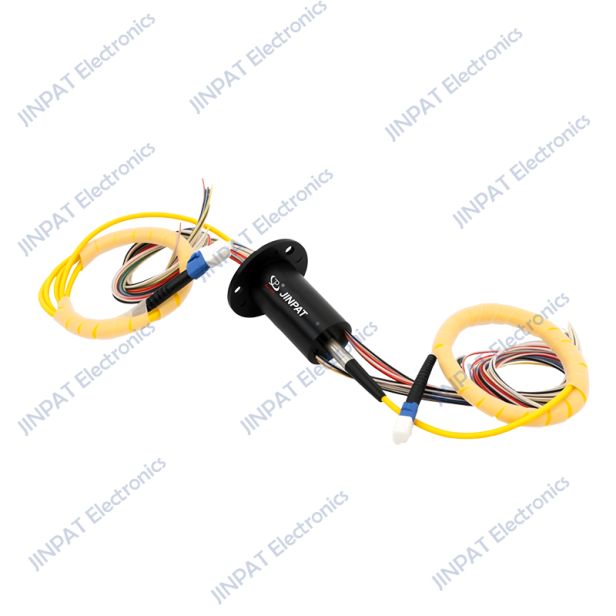
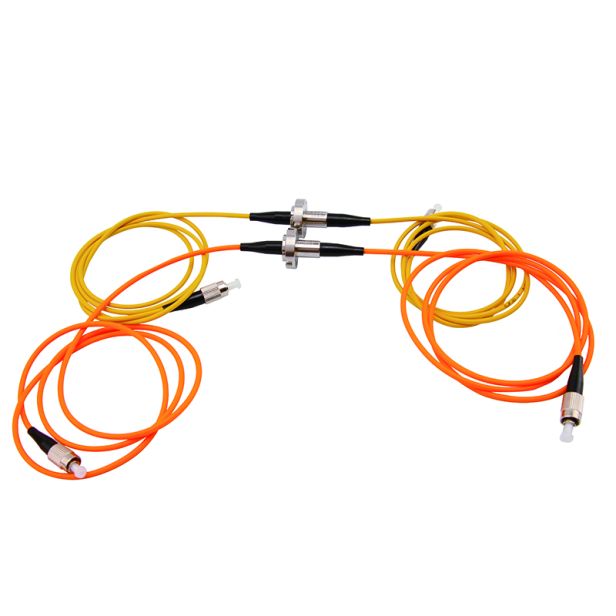
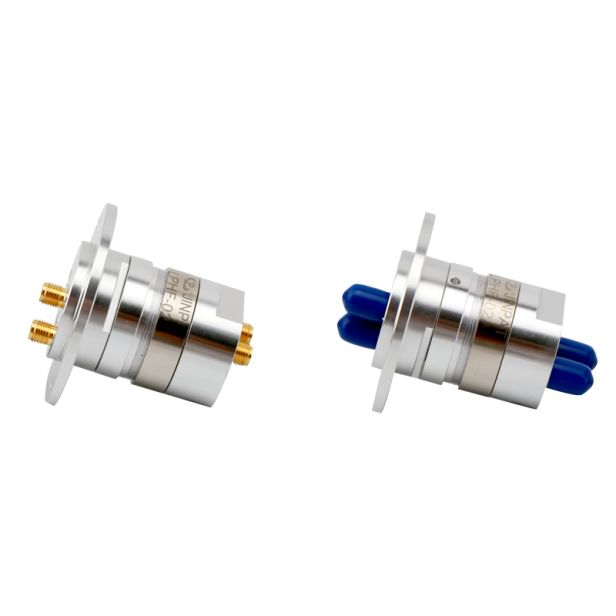
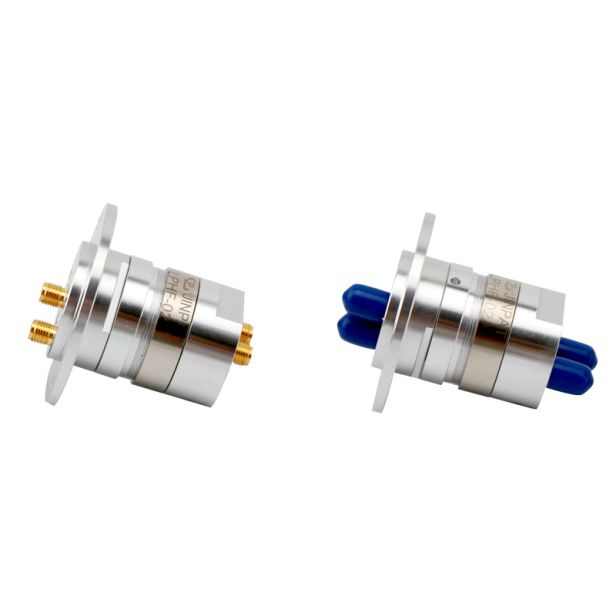
FORJs are available in single and multi-channel options. The most cost and size efficient options are the single and dual channel designs. If more than two fibers are present in a system, multiplexing solutions are available to combine multiple channels onto one or two fibers to allow the use of a one or two channel FORJ.

Multimode fibers have large cores and large numerical apertures allowing the propagation of multiple modes of optical energy. These features allow larger amounts of light to be transmitted from sources such as LEDs and VCSELs, but result in higher attenuation and dispersion. Because of these attenuation and dispersion features, multimode fiber systems are typically used for shorter datacom links. Most multimode systems operate at 850 nm and 1,300 nm.
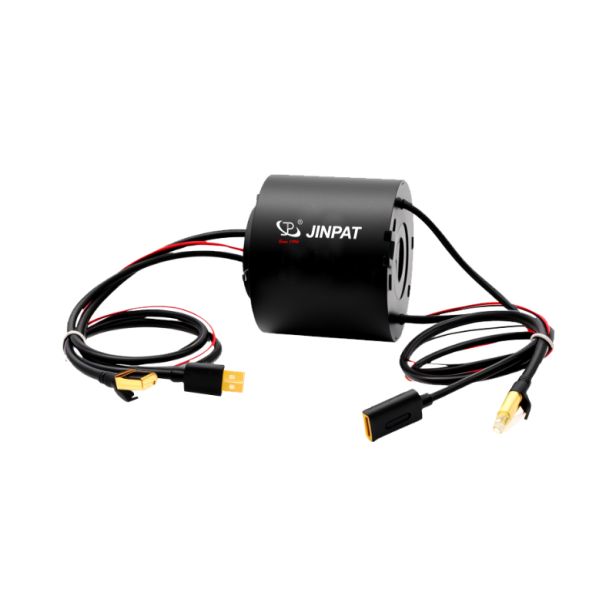
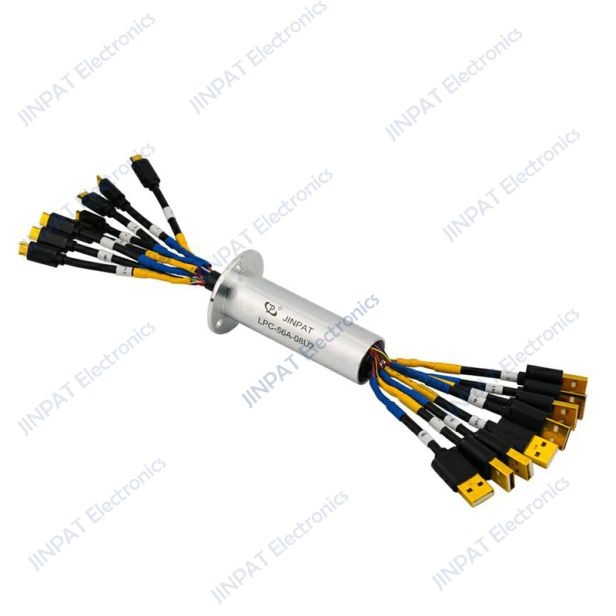
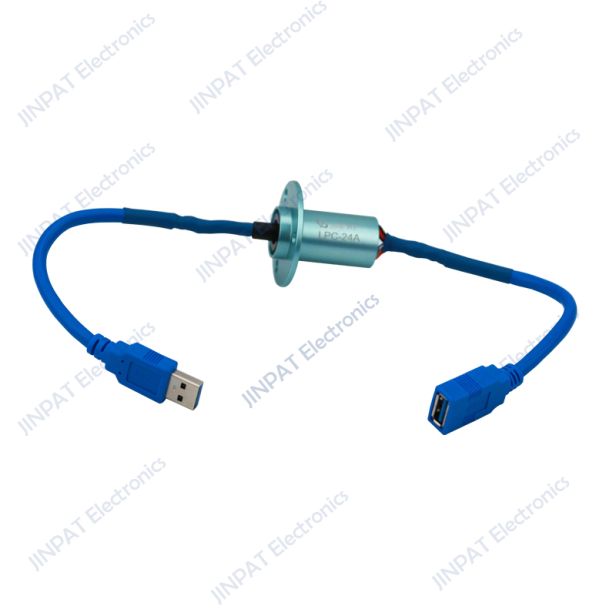
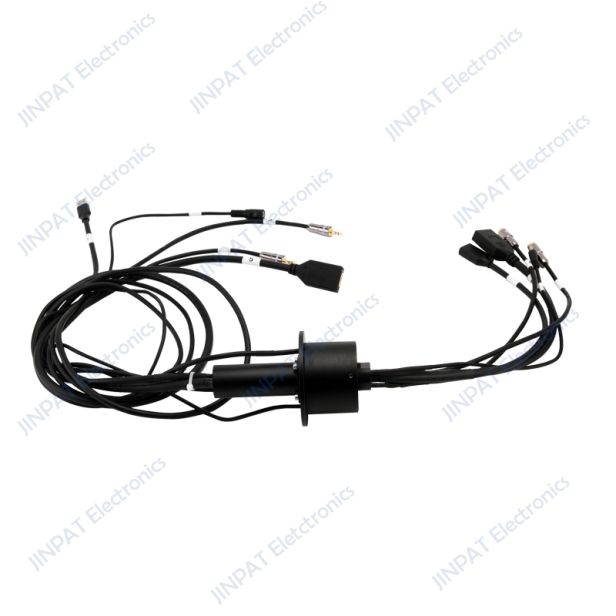
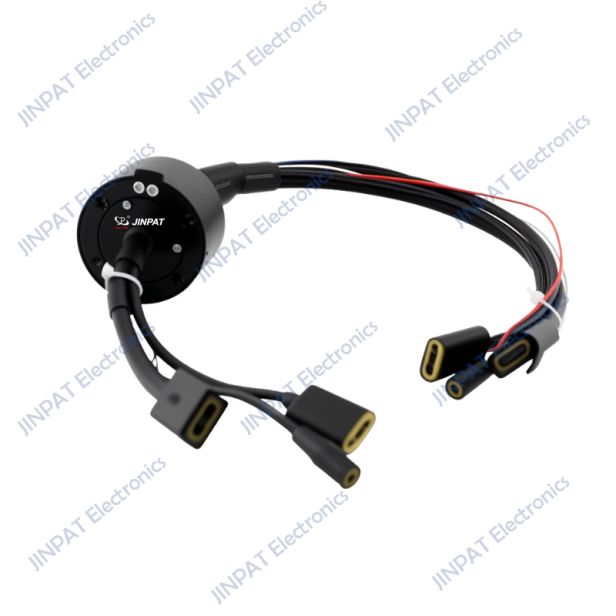
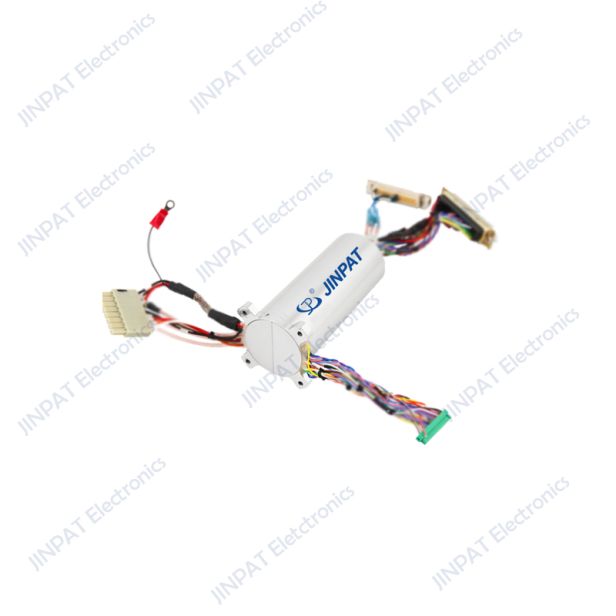
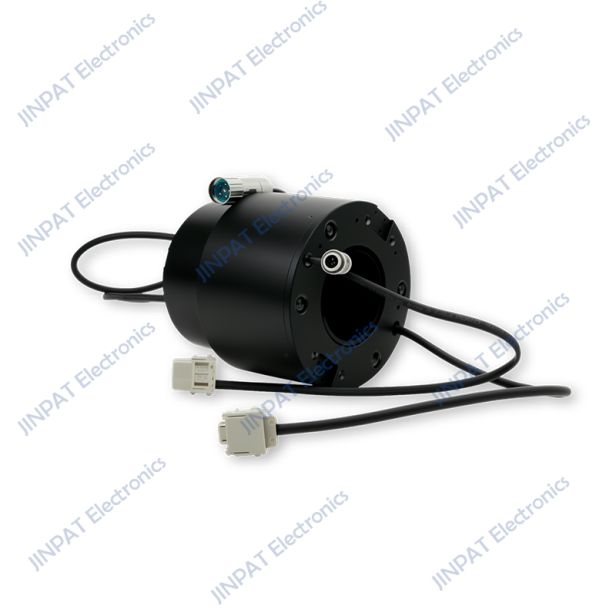
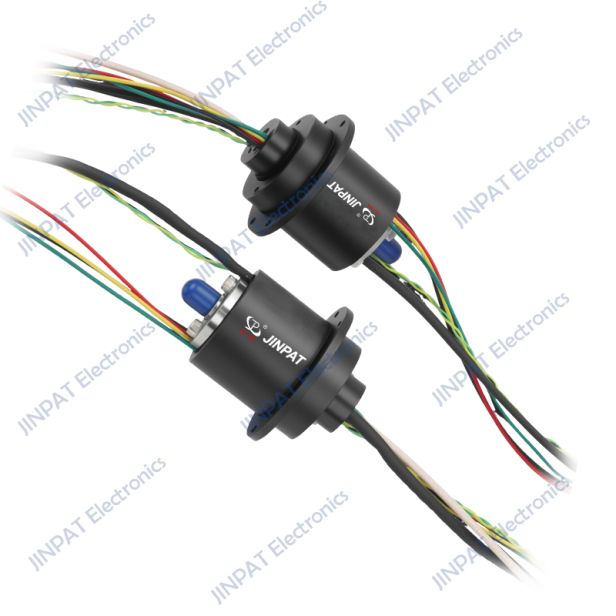
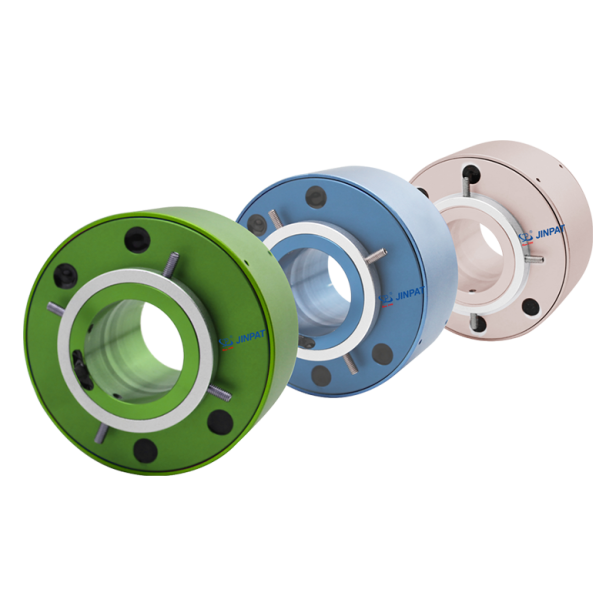
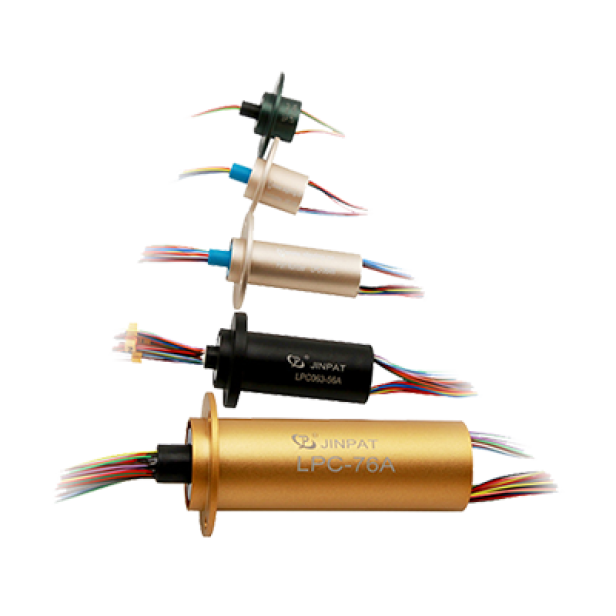
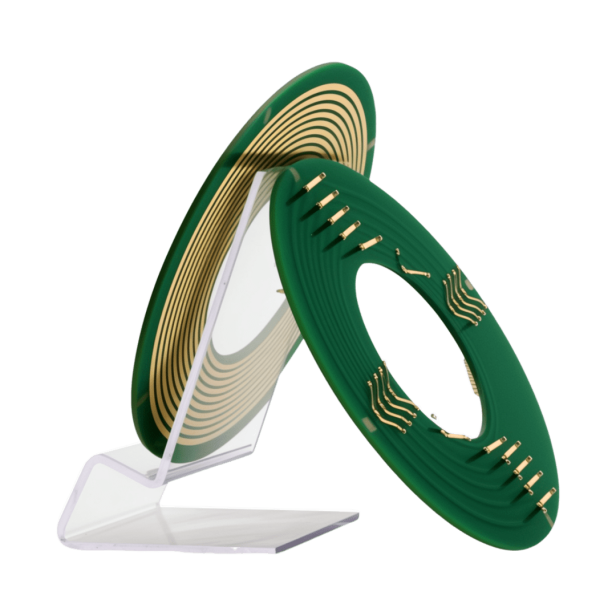
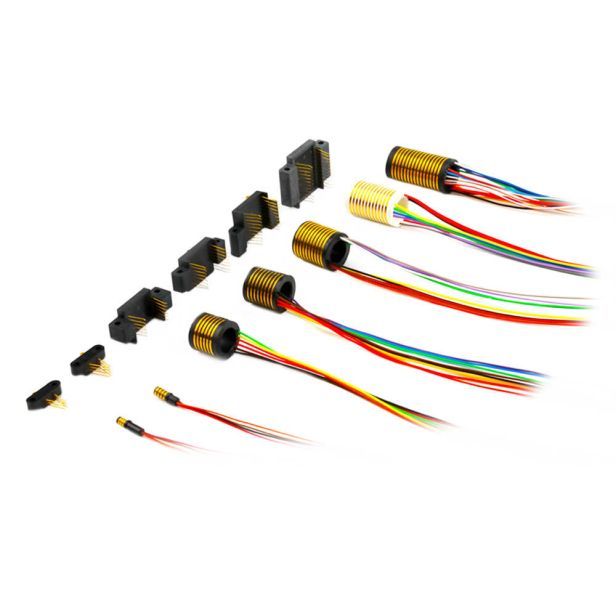
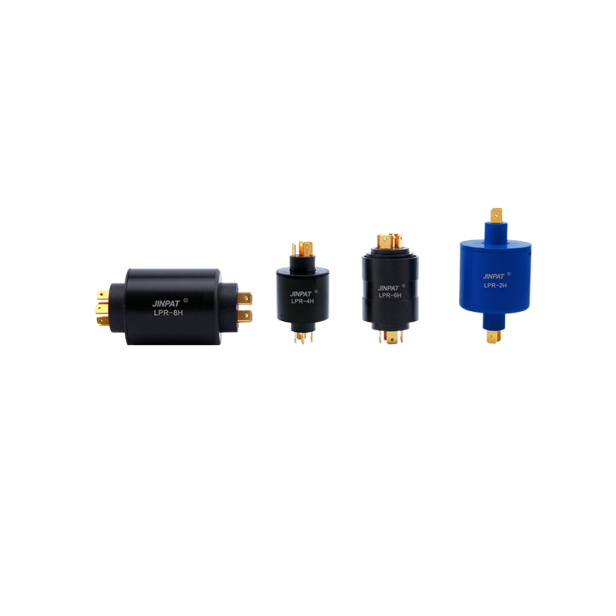
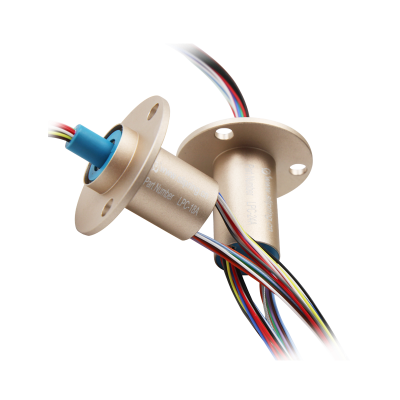
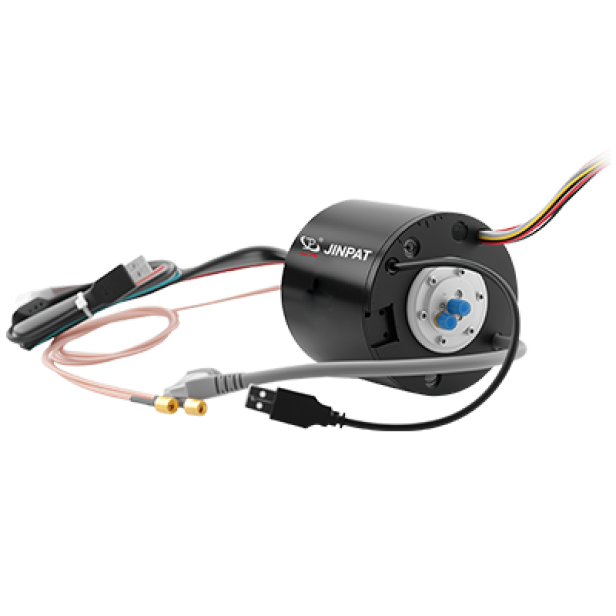
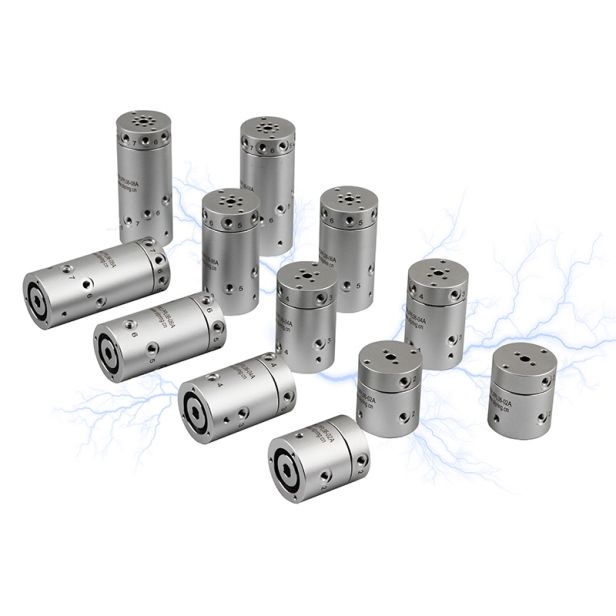
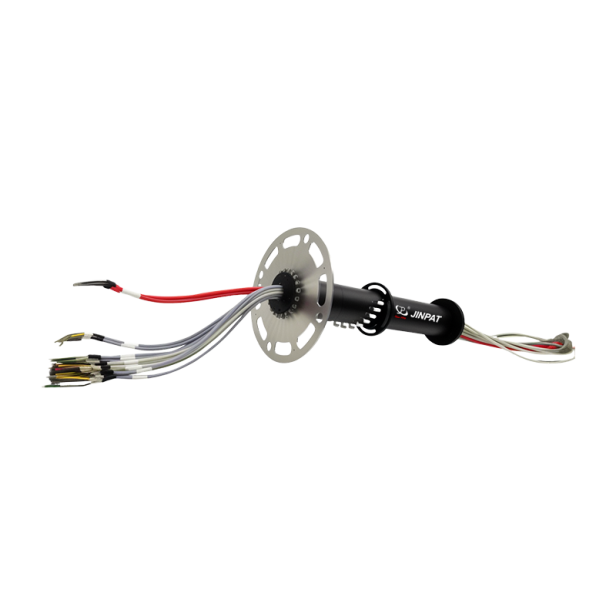
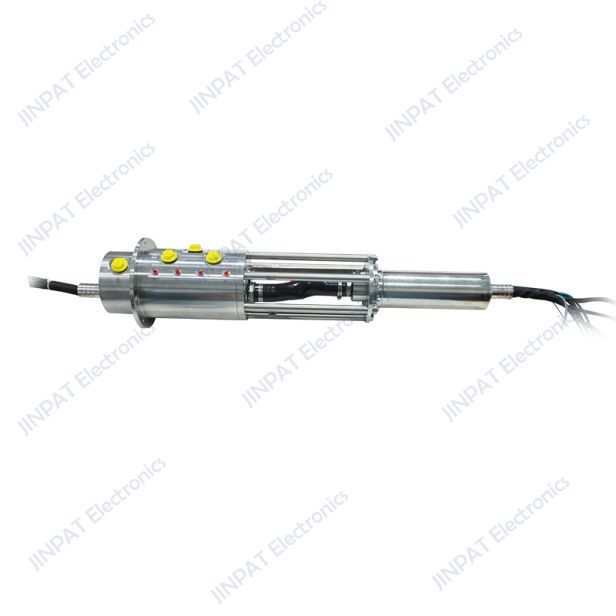
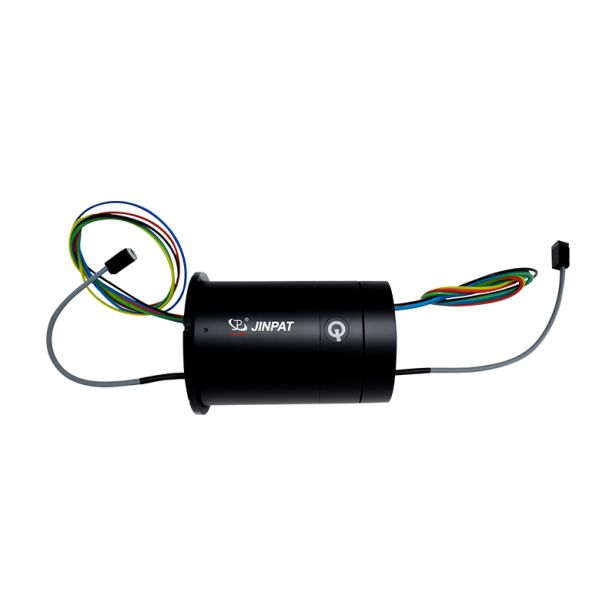
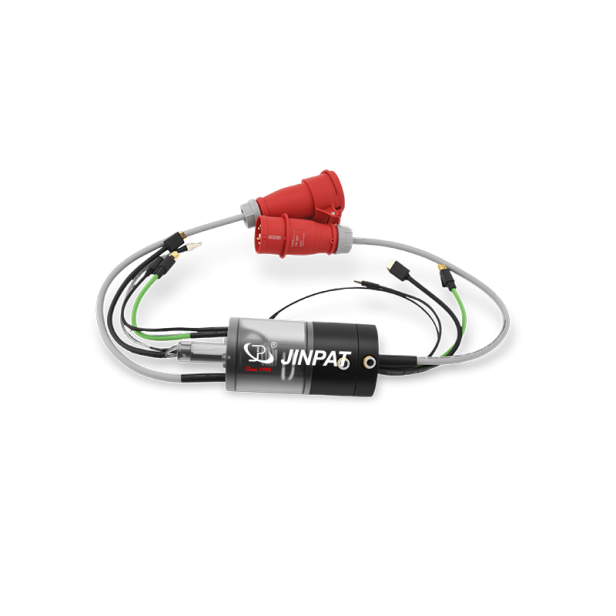
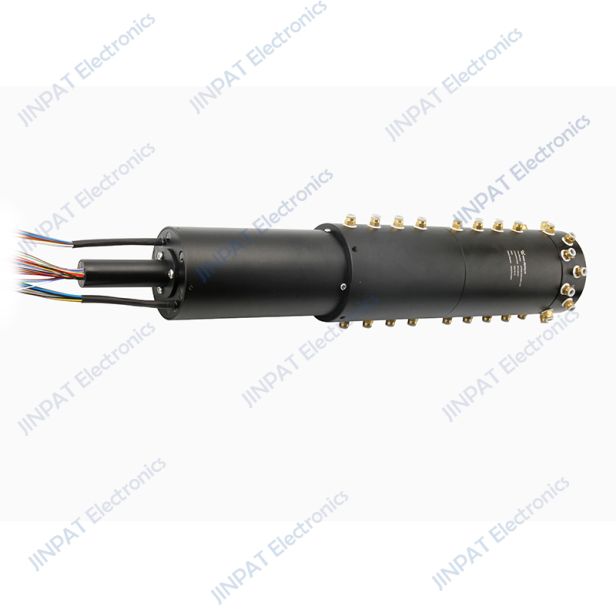
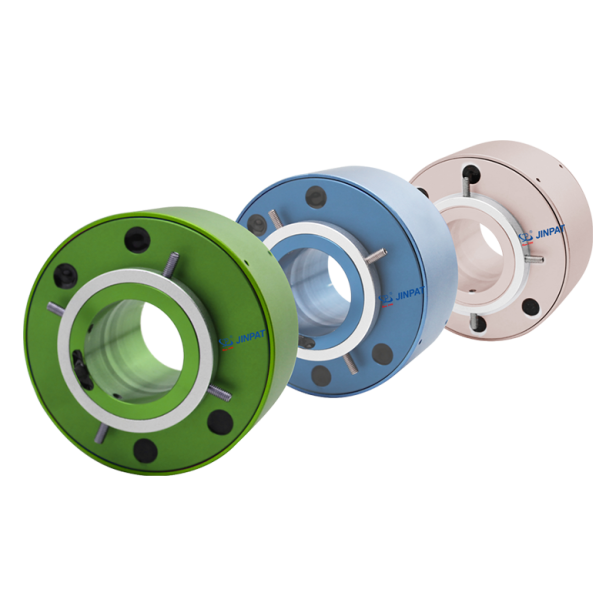
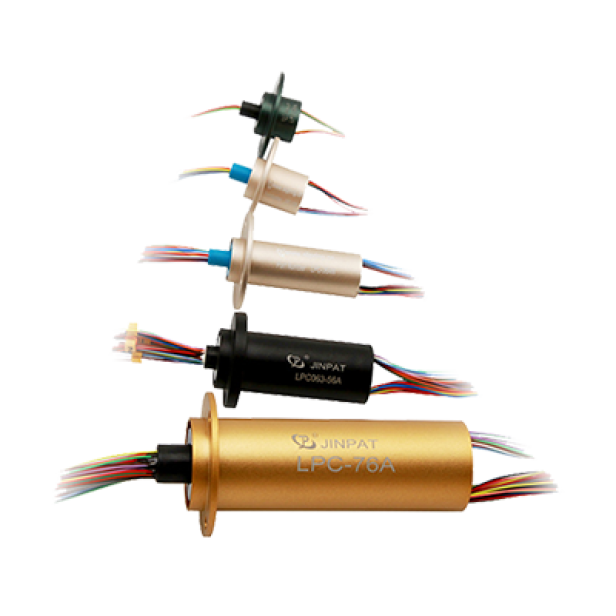
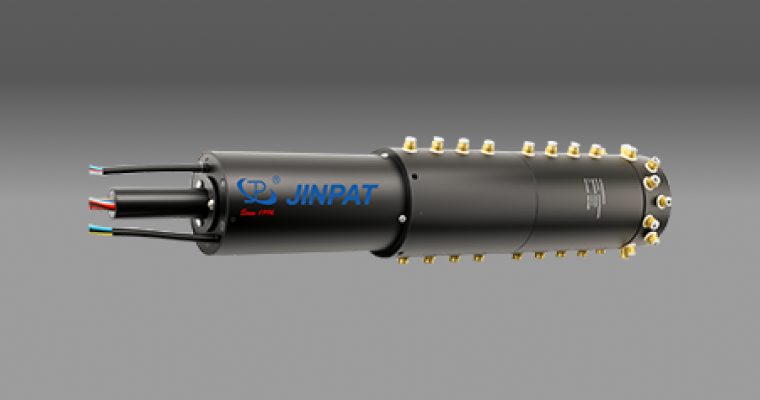
A slip ring, also known as a rotary electrical joint, is an electromechanical device that enables the transmission of electrical power, signals, or data between stationary and rotating parts.
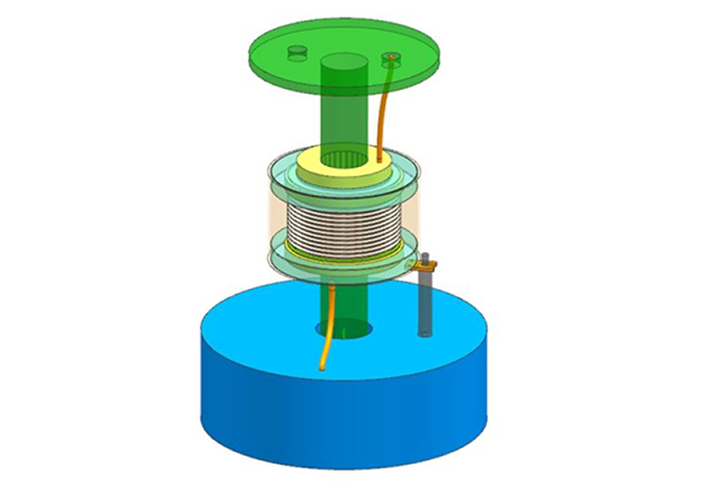
A typical slip ring consists of two main components:
Rotor – mounted on the rotating structure
Stator – fixed to the stationary structure
By maintaining continuous electrical contact during rotation, slip rings allow systems to rotate freely without cable twisting or signal interruption.
A slip ring operates through conductive rings attached to the rotor and stationary brushes mounted on the stator. As the rotor rotates, the brushes maintain constant contact with the conductive rings, enabling uninterrupted transmission of power or signals across the rotating interface.
JINPAT slip rings are engineered with optimized contact materials and precision structures to ensure low electrical noise, stable transmission, and long-term operational reliability—even in continuous or high-speed rotation environments.
Slip rings are manufactured using carefully selected materials based on performance and environmental requirements:
Conductive Rings: Copper, brass, or specialized conductive alloys for stable conductivity
Brushes: Carbon-graphite or precious metal composites for low wear and reliable contact
Housings & Structures: Aluminum, stainless steel, or engineered metals for mechanical strength, heat dissipation, and corrosion resistance
Material selection directly affects electrical performance, lifespan, and suitability for harsh environments.
Slip rings are used in systems that require continuous rotation while transmitting power or signals. Typical applications include industrial automation, robotics, new energy systems, marine equipment, engineering machinery, medical devices, aerospace, defense systems, and advanced test equipment.
JINPAT specializes in designing slip rings for applications with demanding requirements on stability, precision, and durability.
The service life of a slip ring depends on factors such as design, materials, operating speed, load conditions, and maintenance practices.
Most JINPAT slip rings are engineered for long-term operation, with many models exceeding 200 million rotations under proper working conditions—making them suitable for continuous-duty industrial applications.
We are ready to discuss your slip ring requirements and provide reliable rotary transmission solutions for your application. Tell us about your project, working conditions, signal types, current requirements, installation space, and expected delivery schedule.
Click the button below to leave your inquiry. Our engineering and sales team will contact you as soon as possible.