From the Factory Floor: What JINPAT Learned During a Robotics Visit
2026-10-23 14:34:49Some of the best product conversations happen away from the conference table. During a recent visit to a robotics company, the JINPAT team had the chance to see robotic equipment in its working context and discuss the details that determine whether a rotating assembly performs smoothly over time.
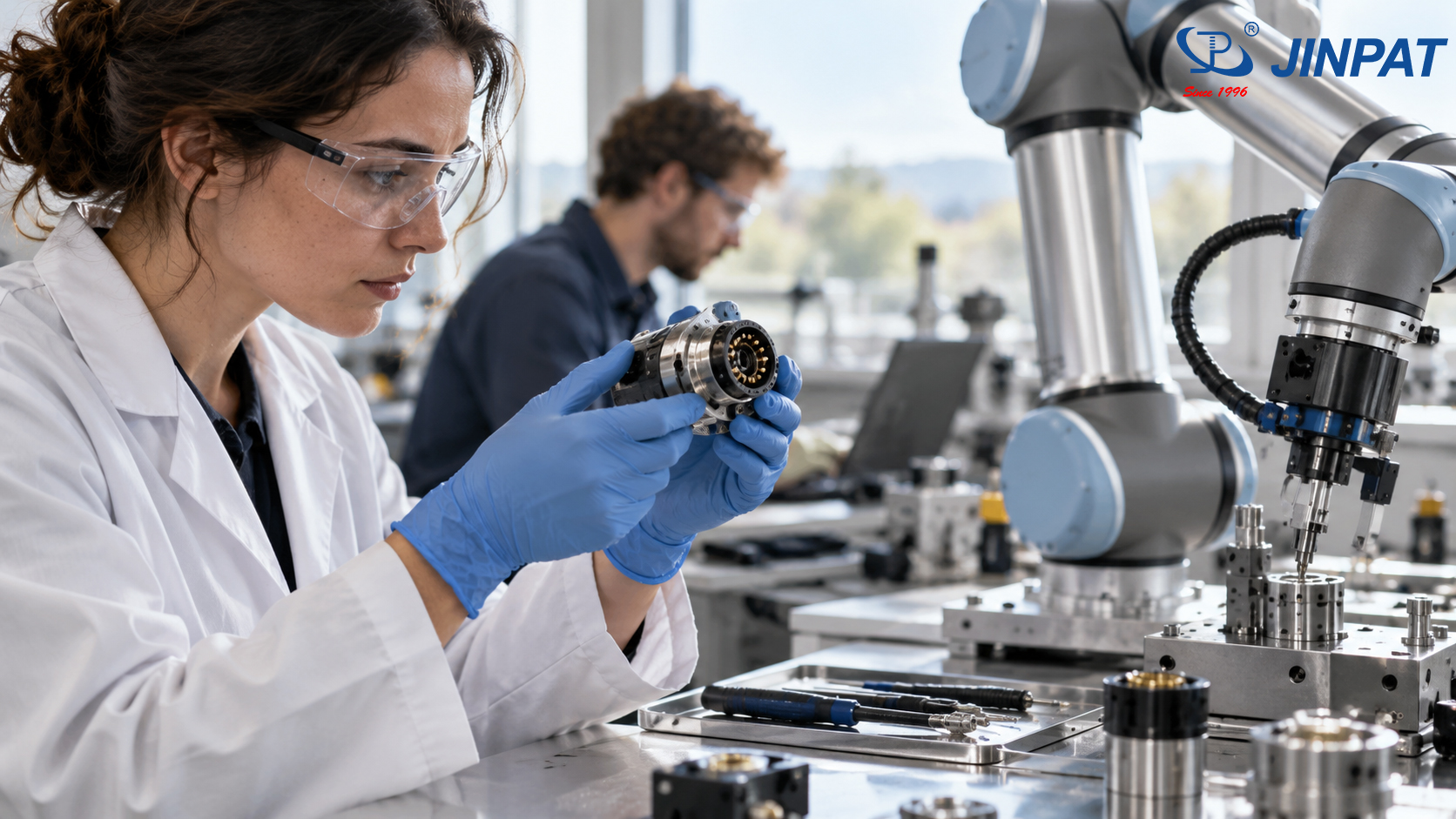
The visit centered on one question: what does dependable connectivity look like when a machine is always in motion? In robotics, the answer reaches beyond electrical continuity. Engineers must also think about installation dimensions, cable routing, rotational torque, signal quality, heat, maintenance access, and the way each component interacts with the overall mechanical design.
Seeing these considerations together is valuable. A slip ring is often one part of a much larger system, but it can affect the freedom, compactness, and reliability of that system. The exchange reinforced the importance of application-led design—starting with how a robot moves and what it needs to transmit, then developing the most appropriate solution around those requirements.
For JINPAT, visits such as this are a reminder that innovation is collaborative. The closer a component partner is to the application, the better it can support real engineering decisions.