High-Speed USB 3.2 Slip Rings and Power Solutions for Rotating Displays
2026-04-24 10:34:47Product Overview
From high-end retail showrooms in New York to advanced research laboratories in Texas, the need to transmit high-definition data and power through rotating platforms is growing rapidly. Whether you are installing a 6-foot spinning wheel with LED lights or a sophisticated lab sensor requiring USB 3.2 (10Gbps) throughput, the bottleneck is always the same: the slip ring. JINPAT’s specialized series for display and data applications are engineered to handle the massive bandwidth of modern electronics while providing a simple, plug-and-play power interface.
Actually, many users are surprised to learn that a standard slip ring cannot handle USB 3.2 speeds. At 5-10Gbps, signal attenuation and crosstalk become massive issues. It turns out that to maintain a stable 10Gbps connection across a 50mm through bore, you need more than just copper tracks; you need high-frequency shielding and impedance-matched circuitry.
Technical Specifications for Commercial & Lab Use
1. High-Speed Data Integration (USB 3.2 Series)
Designed for Texas-based lab equipment and high-end media installations.
Data Rate: USB 3.2 Gen 2 (up to 10 Gbps)
Bore Size: 50mm (2.0") Through Hole for central mounting
Power circuits: 5 Channels @ 10A (Simultaneous)
-
Hybrid Option: Fiber Optic conversion available for zero-loss 20Gbps runs
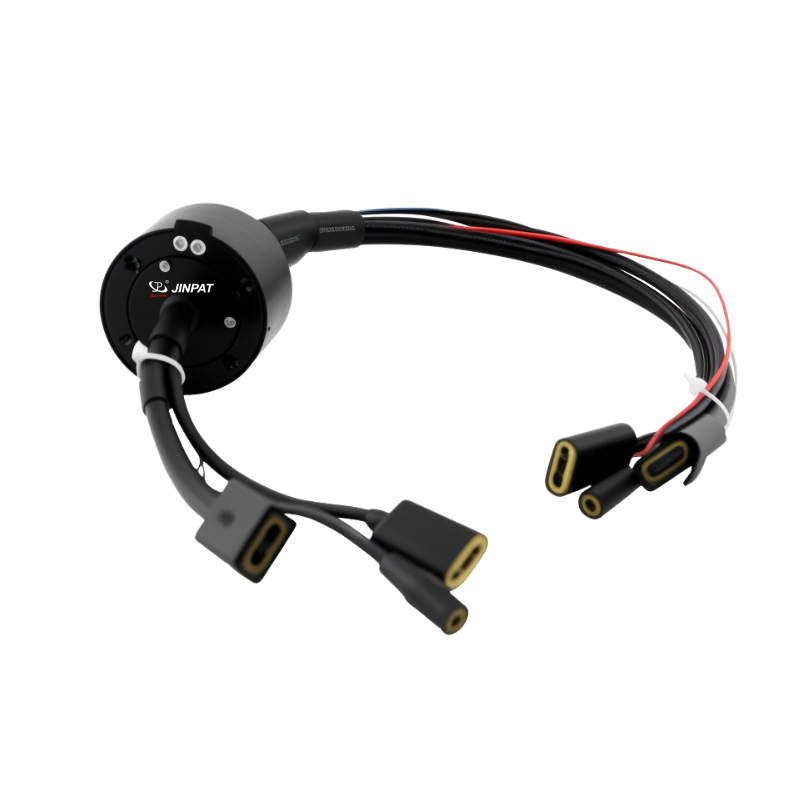
2. Commercial Display Series (LED & Power)
Perfect for retail turntables and rotating display cases.
Current Rating: 4 Channels @ 15A (Total 60A capacity)
Voltage: Optimized for 120V US standard outlets
Speed: 50 RPM to 100 RPM
Design: Compact capsule or through-bore (25.4mm ID)
Connectivity: Pre-wired for easy tie-in to LED strip lights
Lighting Up the Big Stage: LED Turntables
One of the most frequent requests from our New York clients involves LED-lit spinning wheels or display cases. Here’s the thing: powering 60 feet of LED strips requires a consistent 15A to 20A draw. If your slip ring isn't rated for that continuous load, you’ll face flickering lights or, worse, thermal failure.
-
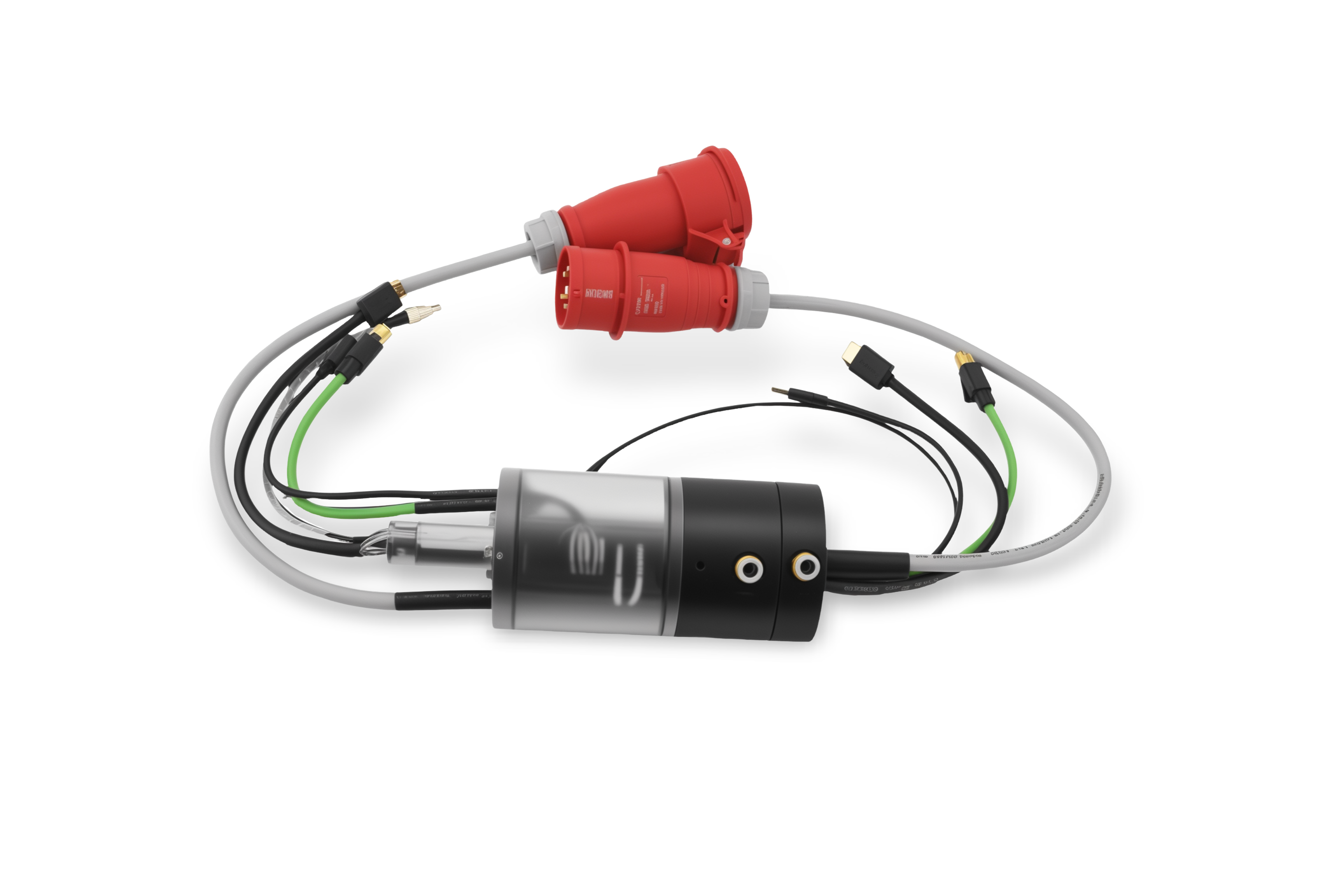
JINPAT’s display-grade slip rings are designed for 100 RPM longevity. We provide units that can plug directly into a standard 15 amp outlet, allowing display designers to focus on the aesthetics rather than the electrical engineering. It basically turns a complex mechanical challenge into a "plug and play" setup. Whether it’s a 25.4mm through-hole model for a central pole or a compact capsule for a tabletop display, we ensure the power stays on.
The USB 3.2 Dilemma: Lab Equipment and Beyond
In lab environments, especially in Texas, we see a trend toward using USB 3.2 for high-speed sensor feedback. However, transferring 5-10Gbps through a rotating interface with a 50mm bore is a significant engineering feat.
Why is this so hard? At these speeds, the physical distance the signal travels around the ring creates "timing jitter." While some engineers believe only an expensive fiber optic rotary joint (FORJ) plus media converters can solve this, JINPAT has developed proprietary copper-based shielding that can achieve 5-10Gbps for specific applications. If your project demands the full 20Gbps, we seamlessly integrate an SMF (Single Mode Fiber) channel, providing a future-proof path for your high-speed data needs without sacrificing the 10A power circuits you need for the sensors.
Conclusion
Whether you are building a rotating 4K display or a precision laboratory turntable, the interface between the stationary and rotating parts shouldn't be your weakest link. JINPAT’s USB 3.2 and LED power slip rings are built to survive the rigors of commercial use while delivering laboratory-grade data integrity. As you evaluate your projects this April, remember that a customized solution from JINPAT can often replace three separate components, saving you space, time, and installation costs.